IWA has advised government to strengthen planning policy in recognising the role canals and navigable rivers play in housing, climate resilience, and local economies in a submission made via its Planning Advisory Panel to the The Ministry of Housing, Communities and Local Government (MHCLG) this week. This follows major changes to the NPPF in 2024, on which IWA commented in detail, and the recent passing of the Planning and Infrastructure Bill.
Britain’s canals and navigable rivers deliver varied benefits for communities, nature and the economy, yet new national planning policy overlooks their strategic importance..
While often celebrated for their heritage and leisure value, canals and rivers play a much wider role today. They support wildlife and biodiversity, provide natural flood management and climate resilience, create green corridors through towns and cities, attract tourism and investment, and homes for residential boaters.
Yet because waterways frequently cross several local authority boundaries, they can too easily fall between planning policies. IWA says stronger national policy is needed so that canals and rivers are properly considered in decisions about housing, infrastructure and place-making.
Charlie Norman, IWA’s Director of Campaigns, said:
“Our submission outlines the need for residential boat moorings provision in the planning system, and the need to review and update Canal Conservation Areas. As well as this, there is so much potential that is not being realised, for example, water transfer by canals. From the contribution of water-based travel and inland ports to sustainable transport, our waterways are not being recognised for their potential, and the planning system can go a long way to fix this.
“The value of canal restorations to healthy communities is immense. Despite all these benefits, they are treated as an afterthought in planning policy, and this is a wasted opportunity.”
IWA’s response factors in these areas that could better reflect planning policy in valuing waterways:
- Strategic infrastructure: Canals and navigable rivers should be explicitly recognised in national planning policy, so they are considered in housing growth, transportplanning, active travel,and regeneration projects;
- Climate and nature: Canal and river corridors are natural green and blue infrastructure that support biodiversity, urban cooling, water management, and climate adaptation;
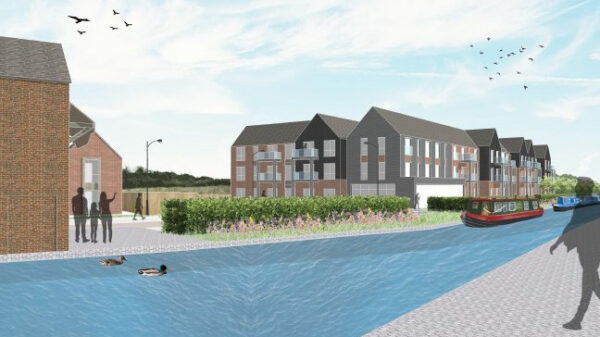
- Homes: Residential boating is a long-established way of living, yet provision for residential moorings is rarely planned for properly. Local plans should assess and provide forresidential boat dwellers;
- Heritage and place-making: Waterways are often the historic heart of towns and villages. Development should protect and enhance their character and heritage setting; and
- Expert involvement: Waterway specialists should be consulted when development plans affect canals, rivers, and their surrounding corridors.
IWA says that recognising waterways in planning policy would help unlock their full potential, from delivering environmental gains, economic growth to new opportunities for sustainable living.
“If we want thriving communities, resilient landscapes and attractive places to live and work, canals and rivers should be recognised as part of the nation’s strategic infrastructure”, Charlie Norman concluded.
Read IWA’s full submission to the NPPF consultation.