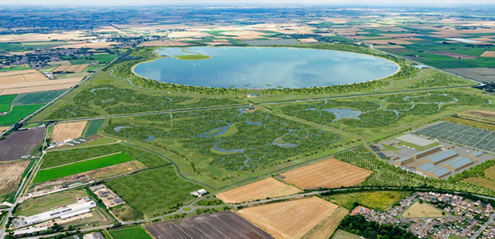
The scheme is promoted by Affinity Water, Severn Trent Water and Canal & River Trust (CRT) to transfer water up to 115 million litres day from Birmingham’s wastewater treatment plant at Minworth to Luton in Bedfordshire via new pipelines, two new treatment plants and 60 miles of existing canals.
Water transfers, if designed with care, can help mitigate the growing impact of climate change on Britain’s waterways by keeping canals navigable, supporting ecosystems and preserving heritage. These benefits will only be realised through rigorous engineering, clear operating principles, and enforceable protections for the wider network.
IWA is calling for a more comprehensive and transparent demonstration of the engineering of the canal section of the scheme to show how the water flows will be managed and controlled. This will ensure navigation within the transfer length and to maintain, or preferably enhance, water supplies to the wider canal network to London, Oxford, Northampton, Warwick, Leicester and Shardlow (near Derby).
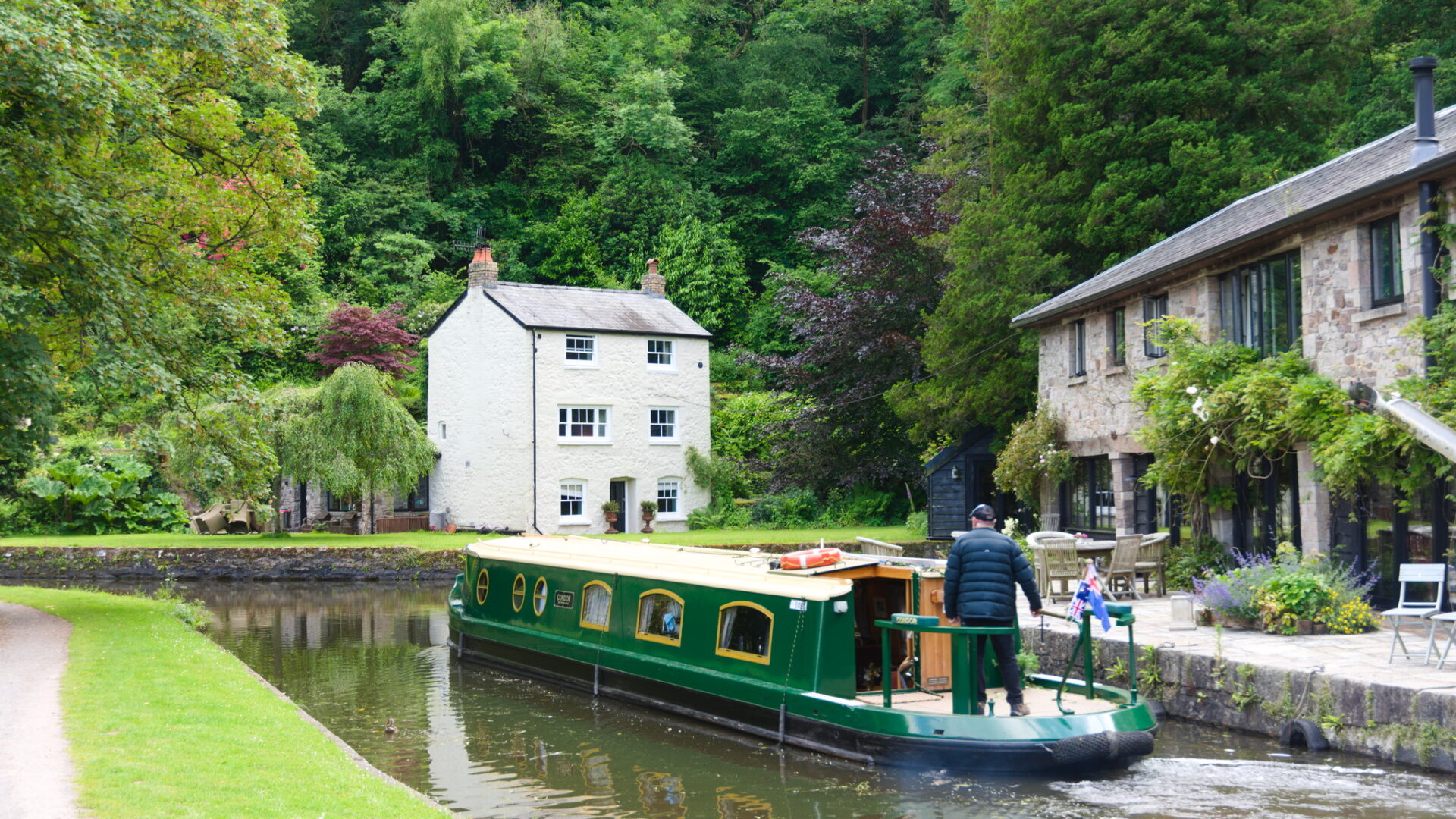
Water transfers via canal are not new. The Llangollen Canal, Gloucester & Sharpness Canal, Bridgwater & Taunton Canal and Fossdyke have all been used for water transfer for some years. Every canal has its own specific character, and this is why IWA is working with CRT to get the best deal for the canals impacted by the GUCT scheme.
IWA’s submission emphasises five key areas where additional information needs to be placed in the public domain:
- Engineering Feasibility Study
IWA emphasises that a comprehensive engineering feasibility study, with appropriate supporting appendices, addressing all topics in IWA’s published water transfer guidelines and the topics below, should be prepared, published and subjected to a round of consultation before commencing the Development Consent Order process in mid-2027.
- Water management and control
Under existing arrangements CRT has the capability, under its sole management control, to supply water from the Grand Union Canal towards London, Oxford, Northampton, Warwick, Leicester and Shardlow (near Derby). Documentation is required to demonstrate how the water flows in the transfer will be managed and controlled, with the resulting water levels, together with demonstration that supplies to the connected canals will be no less than the supplies historically provided, and ideally increased. During the consultation period CRT advised IWA that this is its intent, though its water management studies do not yet provide the required demonstration.
- Design principles and design criteria
A comprehensive suite of design principles and design criteria is required to understand the engineering approach proposed. From discussion with CRT during the consultation period, it is apparent that such documents have been prepared but were not issued as part of the public consultation. The Design Principles document forming part of the consultation addresses only the visual appearance of structures.
- Bypasses and weirs
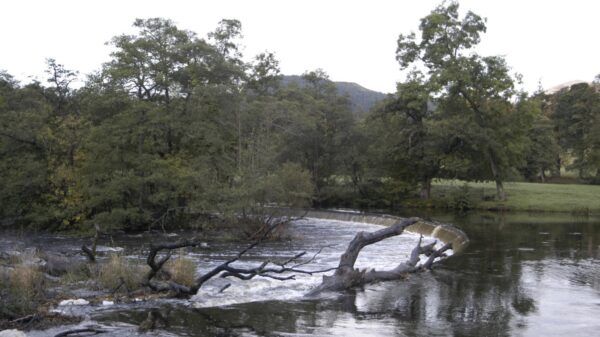
Within the consultation documents, there are numerous qualitative discussions of water level and the need to vary weir levels and weir capacities, but no quantitative information to allow interested parties to understand what is proposed or how such changes might affect water levels, navigation and drainage. Affinity Water and CRT have this information but did not publish it for the consultation.
- Bank raising and dredging
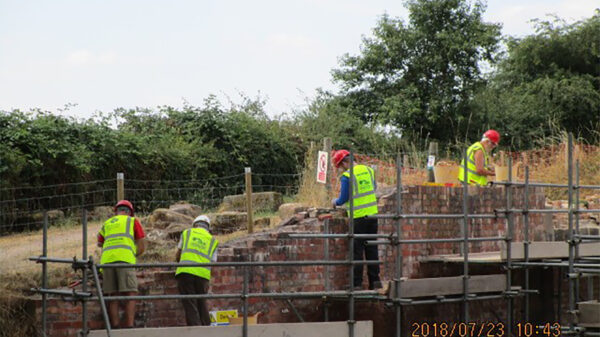
IWA suggests that the extent of bank raising might be reduced through a programme of enhanced dredging allowing the Minimum Operating Level in the canals to be reduced. CRT has stated, in discussion, that an underlying principle before design commenced was that existing canal operating and maintenance regimes would not be altered, so this option has not been studied. IWA is of the opinion that the decision was premature and that the option deserves further attention.
Affinity Water and CRT have confirmed that they have addressed, or are currently addressing, issues raised by IWA but acknowledged that very few of their technical studies and conclusions were documented in the consultation documents. For these reasons IWA especially calls on the scheme leaders to be more transparent by publishing more of the studies undertaken. While these studies can be highly technical, they should be made accessible.
There is an opportunity for further discussion and feedback before formal commencement of the Development Consent Order process, which IWA welcomes.
Graham Heald, IWA’s Water Lead, said:
“The Grand Union Canal Transfer scheme should safeguard navigation on the canals between Atherstone and Great Brickhill while providing an opportunity to enhance water supplies to the connected canals to London, Oxford, Northampton, Warwick, Leicester and Shardlow, near Derby.
“We want to see this scheme work, and this is why we have been engaging with Affinity Water and CRT. Water transfers have the potential to play an important role in helping the network deal with a changing climate. As droughts become more frequent and water demand increases, better movement of water could help sustain our inland waterways, sadly now quite fragile in some places. However, these schemes are not a magic bullet, and if poorly designed, they risk damaging the very network they aim to support.
“Our response to the latest consultation highlights significant omissions that must be addressed. Water transfer using canals is a key benefit of the waterways and is part of long-established infrastructure use but needs to be sensitively managed”.
IWA’s evidence-based climate risk map, The Risk Index, shows where and why our waterways face the greatest threats by 2050, but it also reveals solutions. Because of the potential for water transfer to mitigate some of the pressure on our waterways, we are adding known and proposed water transfers to the Risk Index. This will help to see, at a glance where the schemes are both planned and happening across the network.
Read IWA’s full response to the consultation.