
Introduction
Fishing has long formed an important part of the cultural and recreational life of Britain’s inland waterways. As the commercial function of the canal network gradually declined, angling helped sustain public engagement, establishing new patterns of occupation and recreational use. The accessibility of the towpath, the relatively sheltered nature of canal waters and the proximity of many waterways to established population centres have made canals particularly valuable environments for the sport.
The presence of anglers contributes to the social vitality of the waterway, encouraging regular use of the towpath and cultivating a sense of local ownership and stewardship. Angling also has an important ecological dimension, with the health and diversity of fish populations closely connected to water quality, habitat provision and the effective management of meadows, gardens and water landscapes. The interests of the angling community meaningfully relate to the IWA’s objectives concerning the conservation, maintenance and environmental resilience of the canal network.
IWA’s photographic archive offers a valuable record of this relationship, and has the potential to contribute to a fuller understanding of how Britain’s waterways are used. Spanning a variety of locations and periods, the photographs below document the diverse ways in which fishing has occupied and animated the waterway landscape. From commercial fishing vessels navigating the engineered waterways of Scotland to organised fishing matches against industrial backdrops and solitary anglers in quieter rural settings, this small selection provides an insight into the changing character of Britain’s waterways and their enduring significance as places of work, leisure and social interaction.
Caledonian Canal
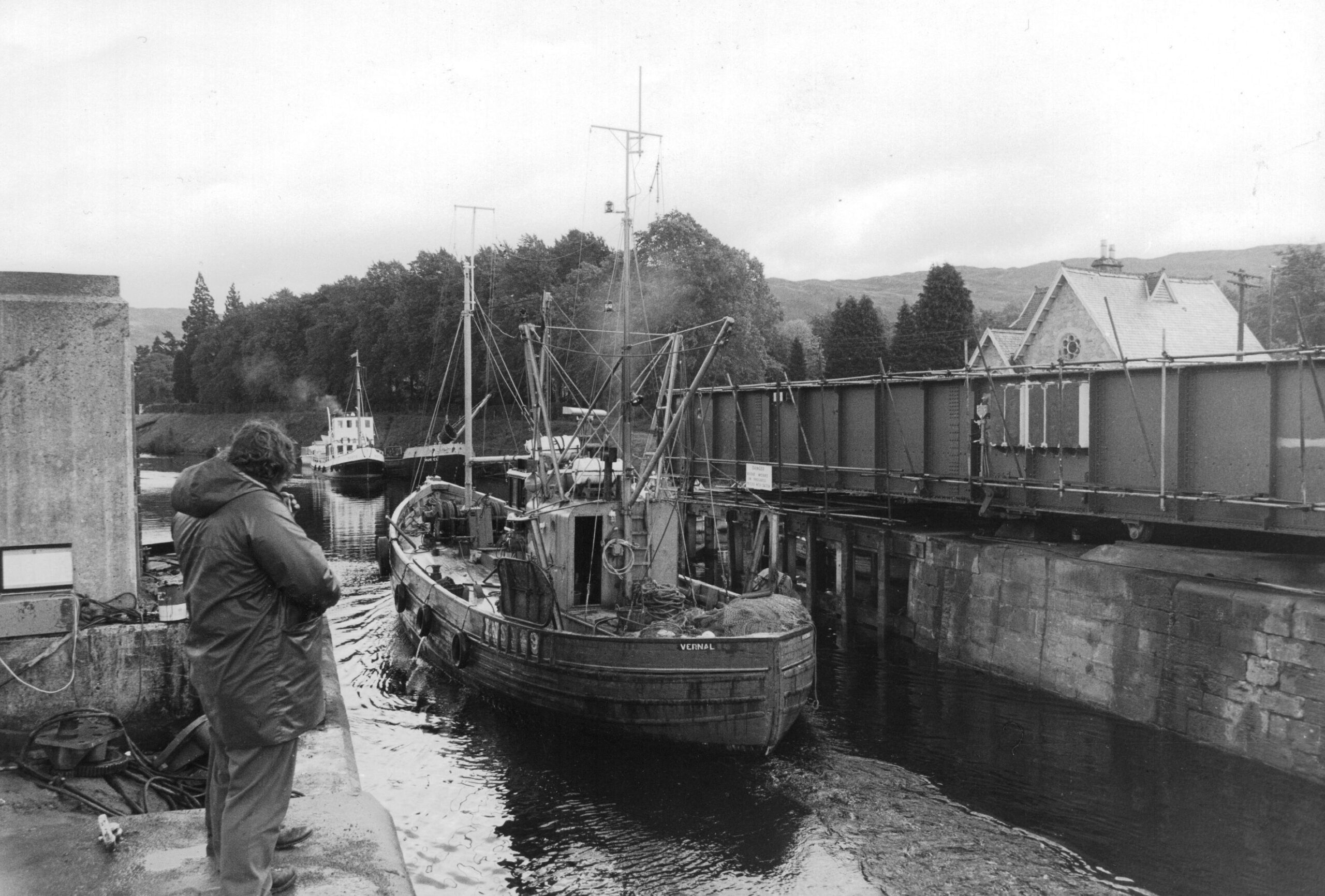
Taken in 1980, this photograph captures the fishing vessel Vernal entering a lock at Fort Augustus on the Caledonian Canal. The substantial lock infrastructure reflects the scale and ambition of the waterway’s engineering, which provided an important navigable connection between the east and west coasts of Scotland. To the right of the photograph, the open swing bridge illustrates the carefully coordinated relationship between road and waterborne transport. The presence of a working fishing vessel provides a reminder of the canal’s commercial function and its place within the wider maritime landscape of Scotland. (Photo by John Gagg)
Fishing Boats on the Crinan Canal
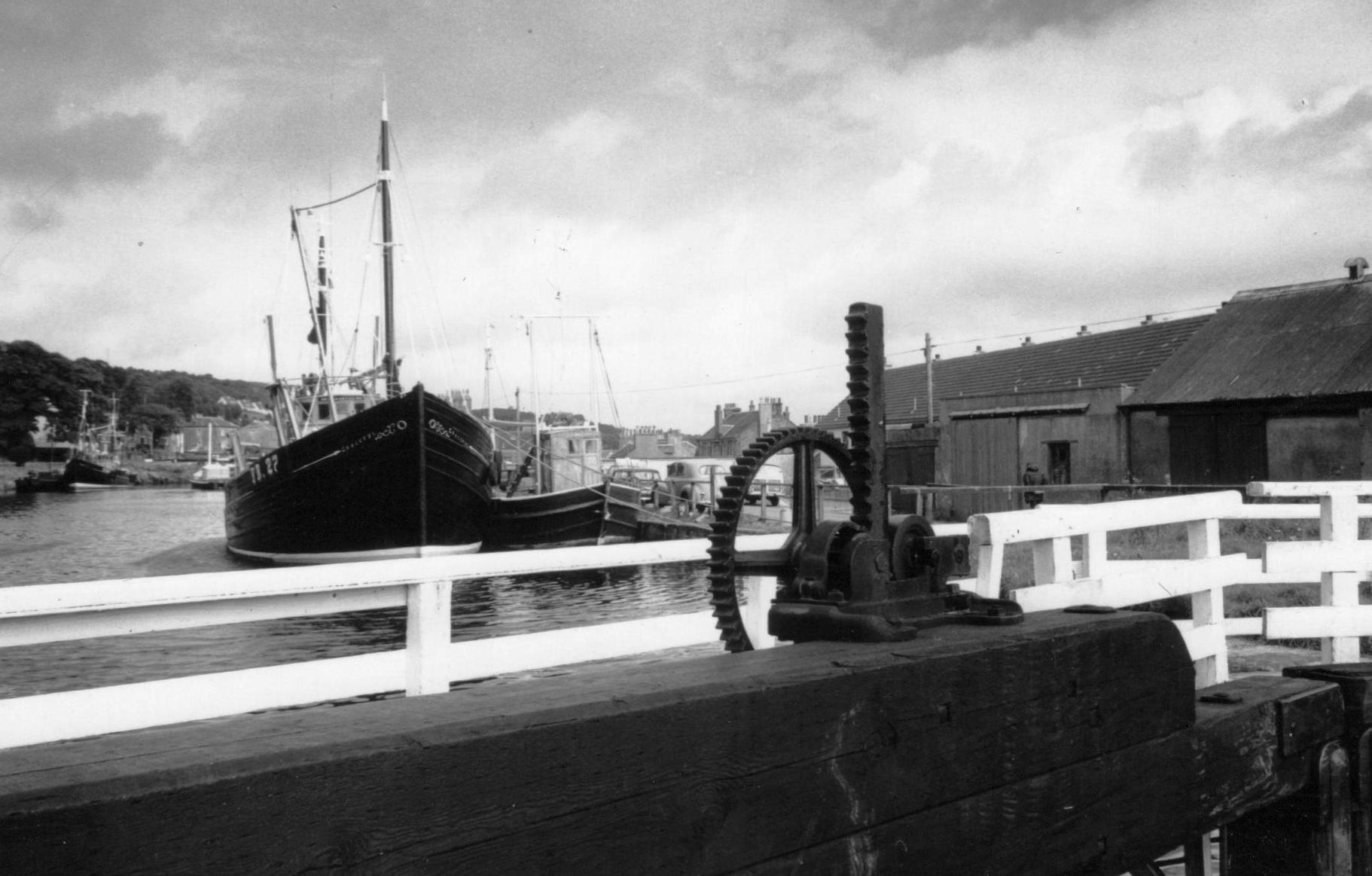
Fishing vessels occupy the waterside at Ardrishaig in this photograph from 1970, taken at the southern entrance to the Crinan Canal. The gathering of boats creates a distinctly maritime character, reflecting the historic relationship between the canal and Scotland’s coastal fishing industry. The arrangement of vessels along the waterfront records a period when the infrastructure of the canal remained closely associated with commercial activity. Today, the presence of pleasure craft reflects the gradual evolution of the waterway towards recreational navigation. (Photo by John Gagg)
Peaceful Waters
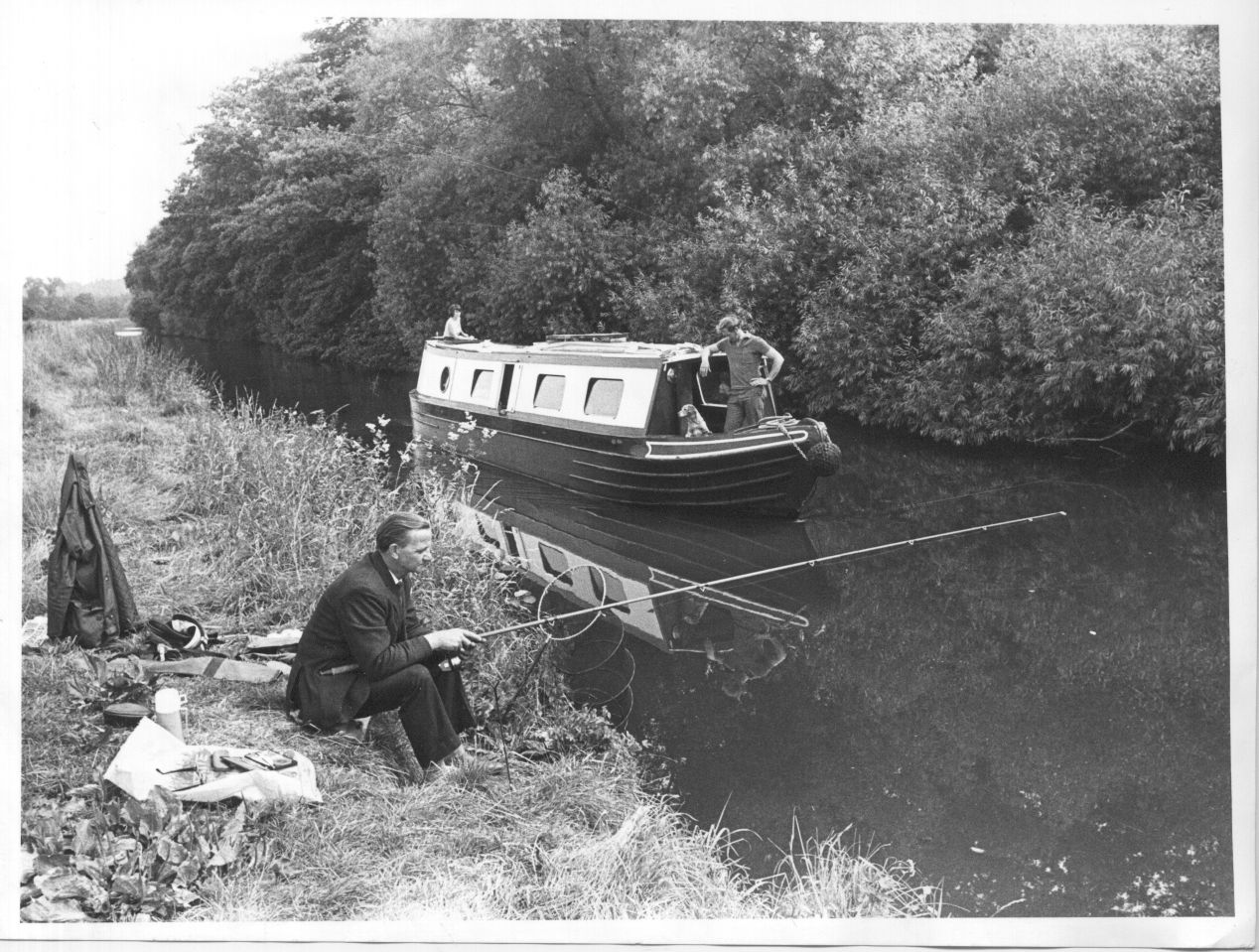
This photograph of a Midlands canal documents the appropriation of a once predominantly industrial landscape for recreational use. The presence of anglers and boaters, engaged in distinct yet complementary activities, illustrates the adaptability of the canal’s original infrastructure, with the towpath and navigable channel accommodating different forms of leisure. The waterway’s modest scale and integration within the surrounding landscape contribute to its character as an informal public space, demonstrating how historic transport corridors can acquire new social functions over time. (Unknown Photographer)
Fishing Matches
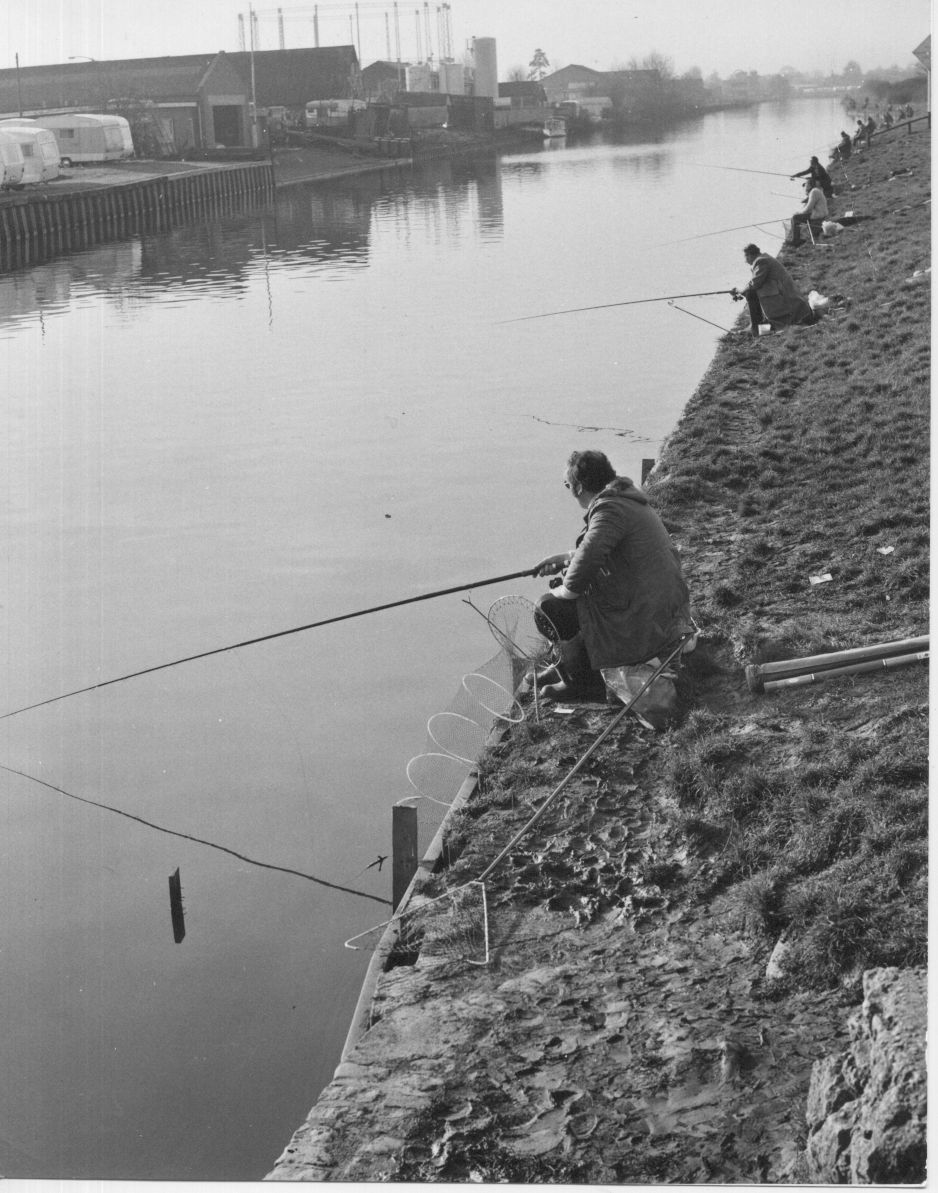
The first of these photographs records a fishing match against a predominantly industrial backdrop. Buildings and infrastructure beyond the water’s edge establish a definite urban character, whilst the distribution of anglers along the bank introduces a regular rhythm to the composition. The photograph illustrates how working waterways also provided accessible recreational spaces within Britain’s industrial landscapes. The precise location remains unidentified, and we would welcome any information that might assist in establishing where the photograph was taken. (Photo from British Waterways Press Office).
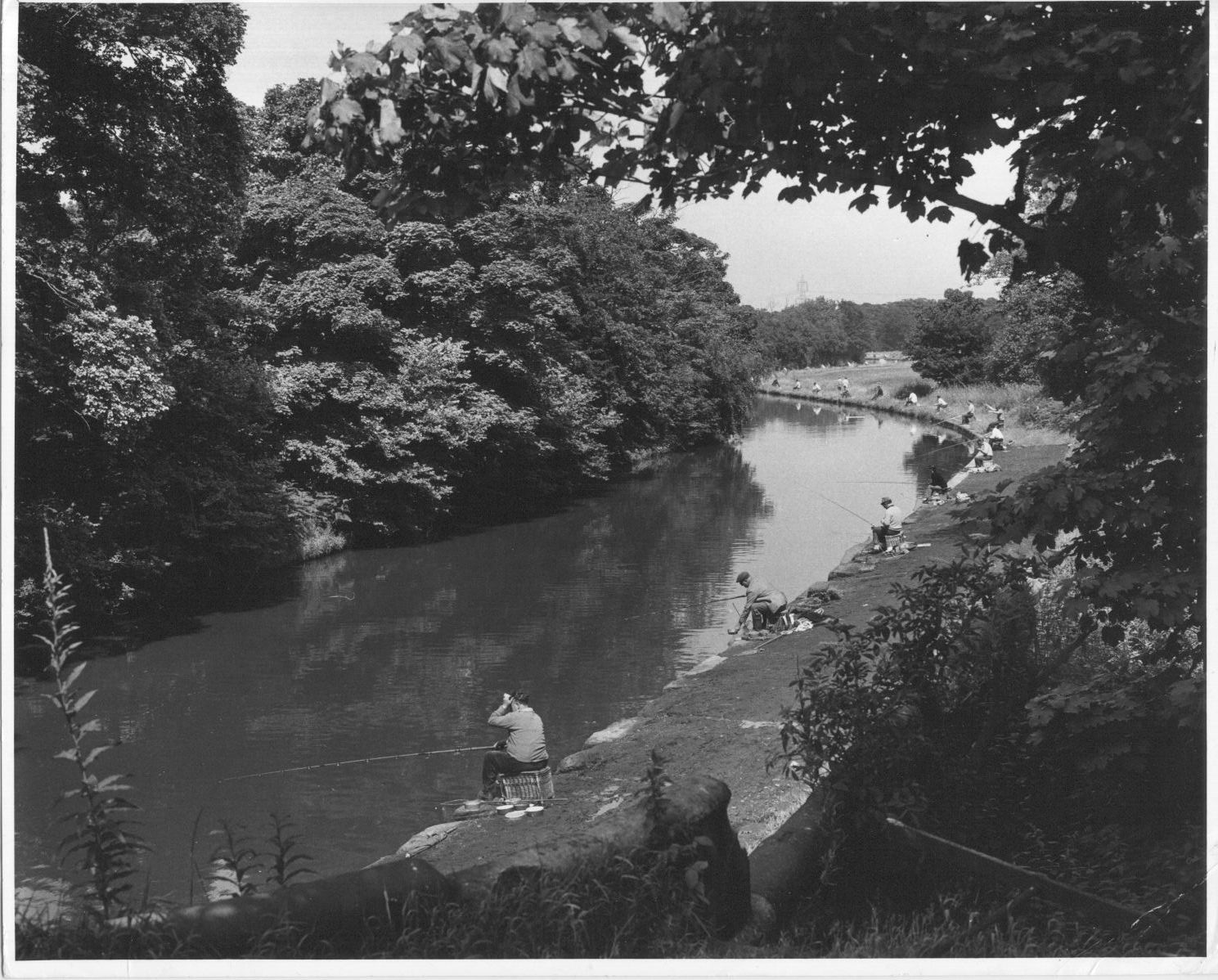
In the second photograph, a more verdant setting provides the backdrop to another well-attended fishing match. The curvature of the waterway draws the eye through the composition, whilst the repeated presence of anglers along its banks emphasises the accessibility of the canal corridor. Established vegetation contributes to the enclosed character of the landscape, creating a setting that feels removed from the activity of the surrounding world. The location of this photograph also remains unknown. (Photo by John Mills).
If you recognise either location, please contact [email protected].
Fishing on the Macclesfield Canal
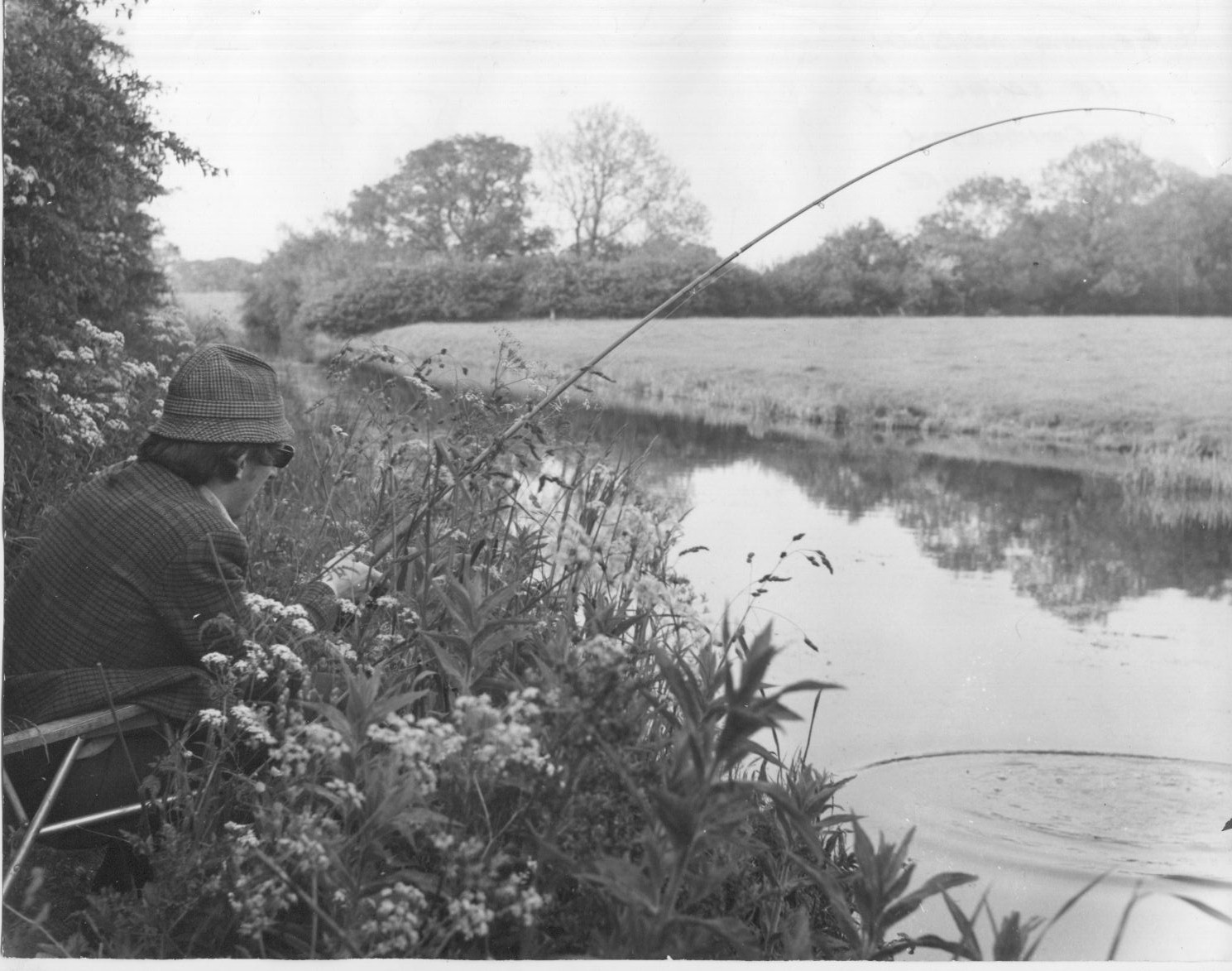
This photograph captures a moment of focused occupation along the Macclesfield Canal. The solitary angler provides a human scale to the composition, drawing attention to the intimate relationship between the water’s edge and the surrounding landscape. The relatively simple arrangement of water, bank and vegetation creates a sense of enclosure and tranquillity. It is an understated illustration of the recreational qualities of the canal environment and the opportunities it affords for individual engagement with the landscape. (Photo by Graham Marsden)
Fishing on the Leeds and Liverpool Canal
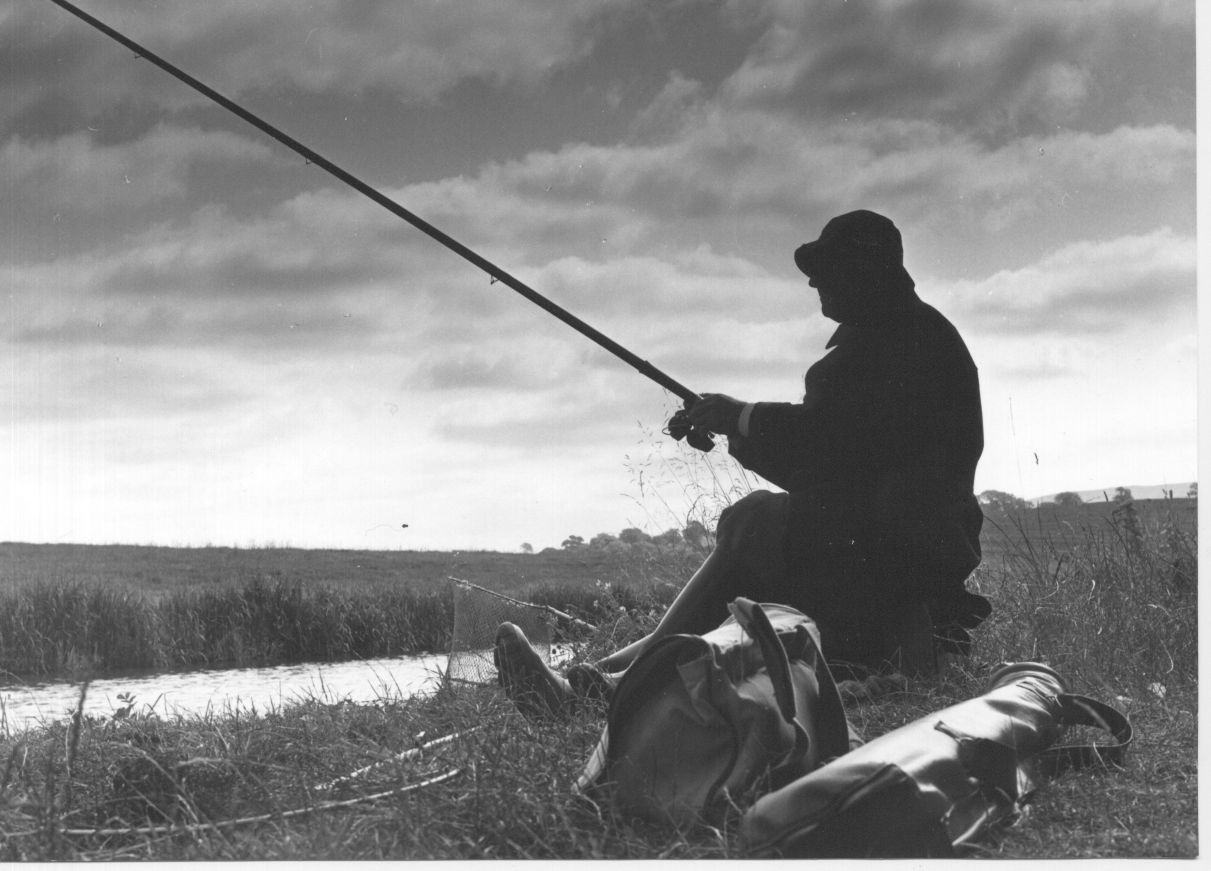
Derek Pratt’s photograph of the Leeds and Liverpool Canal is distinguished by its atmospheric treatment of light and shadow. Tonal contrasts give depth to the composition, articulating the relationship between the water, its banks and the surrounding environment. The angler becomes a focal point within this carefully observed landscape, introducing a human presence into a scene otherwise defined by its spatial and visual qualities. The photograph demonstrates the expressive potential of the canal corridor as a subject of landscape photography. (Photo by Derek Pratt)
Fishing Boats at Rye Harbour
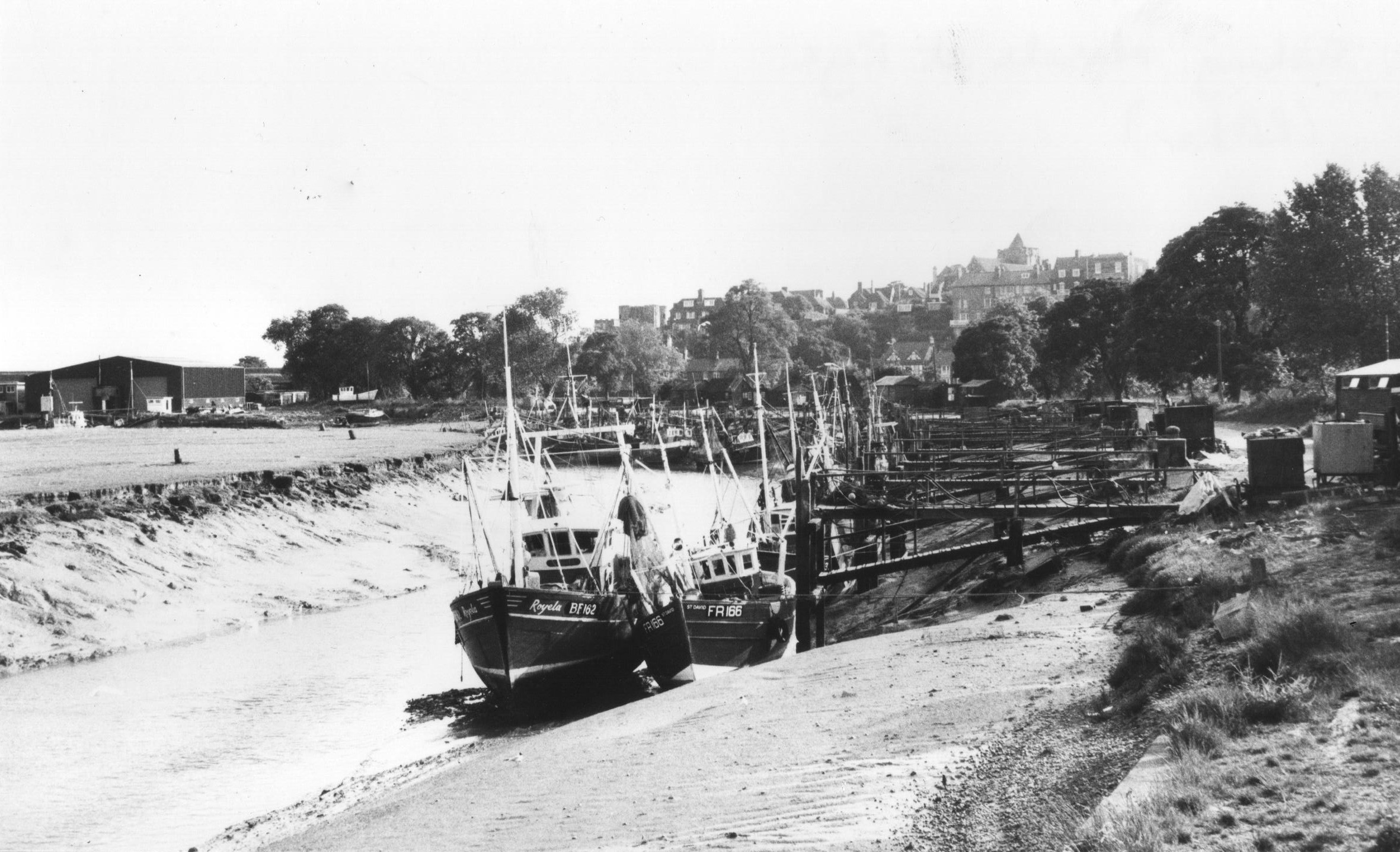
Taken during the early 1980s, this photograph records fishing vessels moored on the River Rother at Rye in East Sussex. The concentration of boats along the waterfront reflects the working character of the harbour and its longstanding association with the fishing industry. The vessels form an intricate arrangement of hulls, masts and rigging, contributing to the distinctive visual identity of the riverside. Rye is also notable for being one of the relatively few ports in England managed by the Environment Agency. (Photo by Tony Ellis)
Fishing at Slaithwaite
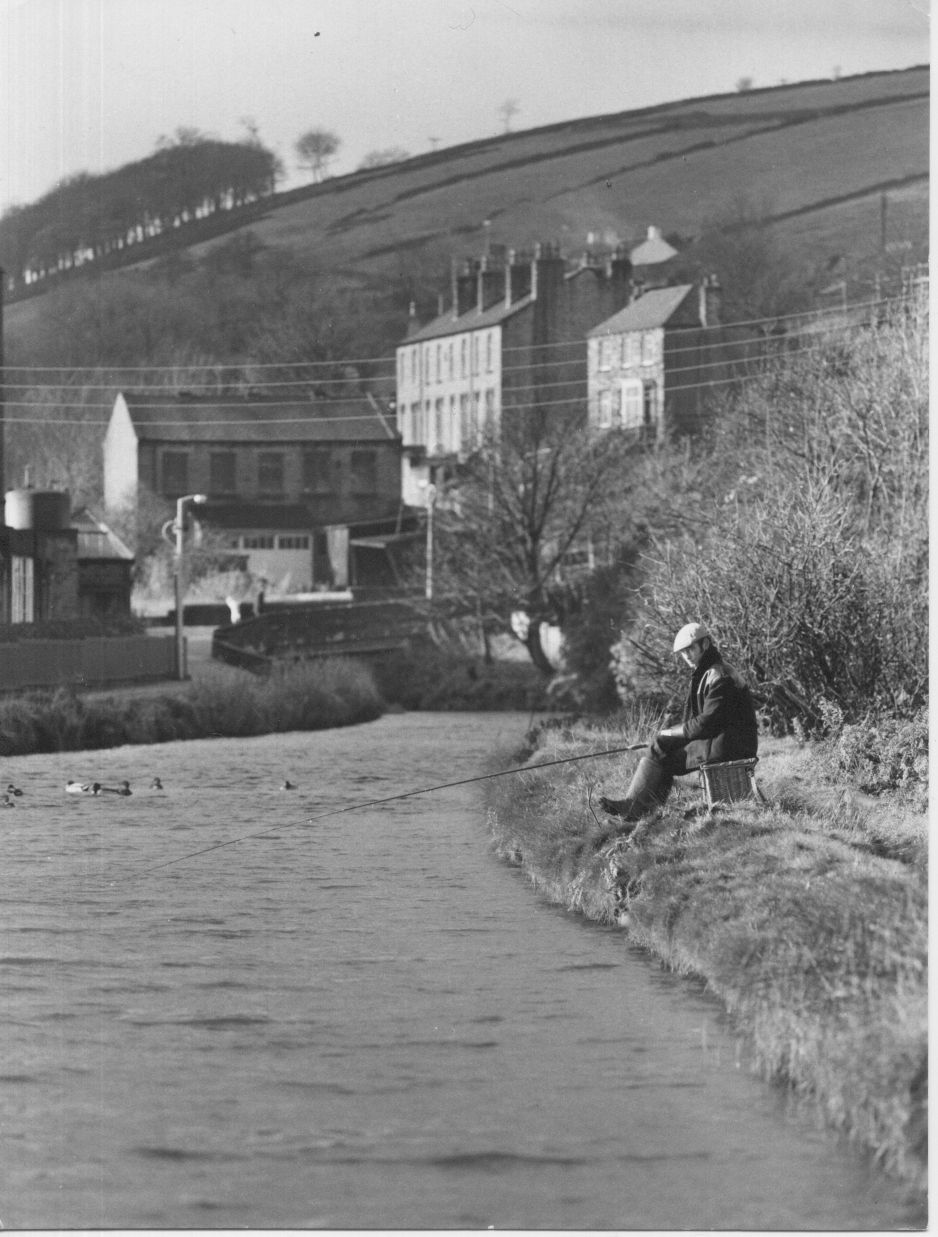
Photographed during the restoration of the Huddersfield Narrow Canal, this image captures the distinctive relationship between the waterway and the industrial townscape of Slaithwaite. The dramatic backdrop lends a monumental quality to the composition, establishing a contrast of scale between the surrounding environment and the solitary figure of the angler. Derek Pratt’s careful framing gives the photograph an almost cinematic quality, using perspective, depth and human scale to articulate the character of the place. The image also provides a valuable record of a waterway undergoing physical transformation and gradually recovering its role within the life of the town. (Photo by Derek Pratt)
Eaten Alive
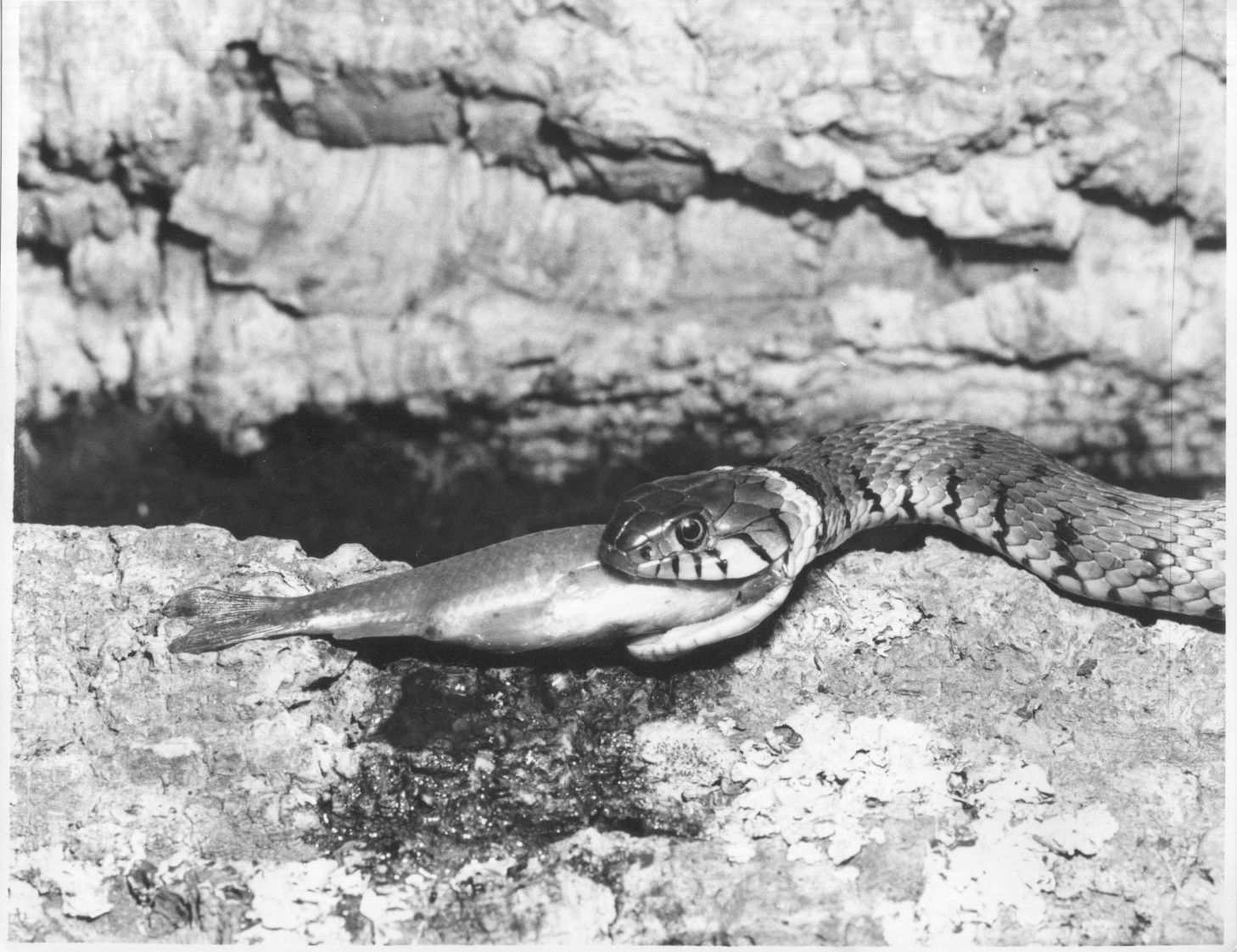
An unusual inclusion within IWA’s photographic archive, this image records a British grass snake in the process of swallowing a fish. It offers a departure from the predominantly architectural and human landscapes represented elsewhere in this selection, drawing attention to the ecological dimension of Britain’s waterways. Such encounters provide a reminder that canals, rivers and their associated margins form part of a complex network of freshwater habitats, supporting a diverse range of wildlife and natural processes. (Photo by Leonard G Appleby)
