
The Way the Wey Works
A talk by Tristan Brown
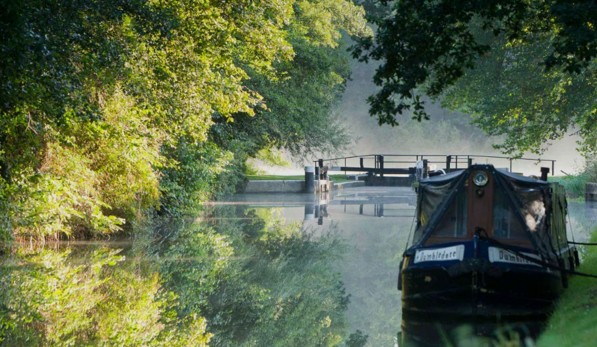
The River Wey was one of the first rivers to be made navigable in England, being opened for traffic in 1653. Its 20 miles required 12 locks, with a further 4 added in 1764. As a trading waterway, it enjoyed considerable success, shipping cargoes of timber, corn, flour, and gunpowder to London and returning with coal and sugar. In 1830, over 55,000 tons of cargo passed along the navigation. Inevitably, the coming of the railway in 1840 spelt a steady decline in cargoes. However, in spite of the competition, some 51,000 tons passed along the River Wey Navigation in 1918. Nevertheless, trade steadily declined after the First World War and, despite shipments of grain to Cox’s Mill, by 1960, the Navigation was no longer viable. However, the Navigation did, like many other former waterways, present an attractive cruising location. But it was costly to maintain, so, the then owner, one Harry Stevens, passed ownership to the National Trust where it remains to this day.
Tristan Brown is the National Trust’s General Manager of the River Wey Navigation and, as such, will be able to give us an insider’s’ take on the Waterway’s past, current and future management.
BoatingHeritage
The Way the Wey Works – IWA Chiltern Branch Talk
The Way the Wey Works
A talk by Tristan Brown
The River Wey was one of the first rivers to be made navigable in England, being opened for traffic in 1653. Its 20 miles required 12 locks, with a further 4 added in 1764. As a trading waterway, it enjoyed considerable success, shipping cargoes of timber, corn, flour, and gunpowder to London and returning with coal and sugar. In 1830, over 55,000 tons of cargo passed along the navigation. Inevitably, the coming of the railway in 1840 spelt a steady decline in cargoes. However, in spite of the competition, some 51,000 tons passed along the River Wey Navigation in 1918. Nevertheless, trade steadily declined after the First World War and, despite shipments of grain to Cox’s Mill, by 1960, the Navigation was no longer viable. However, the Navigation did, like many other former waterways, present an attractive cruising location. But it was costly to maintain, so, the then owner, one Harry Stevens, passed ownership to the National Trust where it remains to this day.
Tristan Brown is the National Trust’s General Manager of the River Wey Navigation and, as such, will be able to give us an insider’s’ take on the Waterway’s past, current and future management.
Details
Time
7.30 p.m.
Contact
Address
Batchworth Lock Canal centre
Canal Bridge
99 Church Street
Rickmansworth
WD3 1JD
Access via steps from bridge.

