The Wey and Arun Canal
A talk by Alan Johnson
In the late 18th Century, the roads in Britain were barely able to pass a wagon of any capacity. In summer the rutted surface, and in winter the mud, made the transport of goods by wagon very difficult and, not infrequently impossible. At this time, Britain was at war with Napoleon’s France and passage along the Channel was fraught with danger from French naval forces. This particularly affected the supply of munitions from the Woolwich Arsenal to the Royal Navy fleet based in Portsmouth.
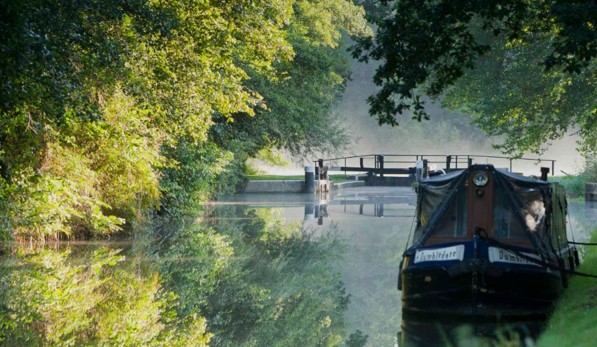
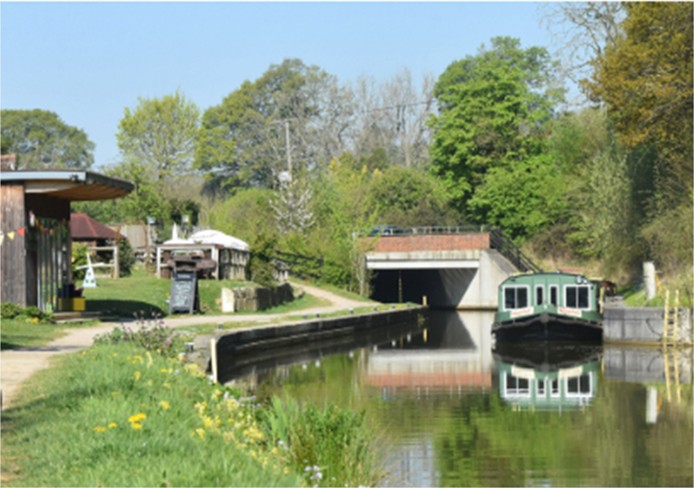
An inland route was proposed and Parliament approved a canal linking the River Wey to the River Arun and from the Arun a connecting waterway to Portsmouth. So, the 23 miles of the Wey and Arun Canal were constructed through Surrey and Sussex. But it was not finally open to navigation until 1816 when the threat from Napoleon was long gone. It did not prove a viable business, made even less so with the arrival of the railway in1865. The last recorded journey took place in 1867 and the Canal closed in 1871. In 1970, a group of enthusiasts formed the Wey and Arun Canal Society with the object of restoring the waterway to navigation. This became the Wey and Arun Canal Trust which operates to this day. Restoration has proceeded well and we will be updated with the latest state of play.
Restoration
The Wey and Arun Canal – IWA Chiltern Branch Talk
The Wey and Arun Canal
A talk by Alan Johnson
In the late 18th Century, the roads in Britain were barely able to pass a wagon of any capacity. In summer the rutted surface, and in winter the mud, made the transport of goods by wagon very difficult and, not infrequently impossible. At this time, Britain was at war with Napoleon’s France and passage along the Channel was fraught with danger from French naval forces. This particularly affected the supply of munitions from the Woolwich Arsenal to the Royal Navy fleet based in Portsmouth.
An inland route was proposed and Parliament approved a canal linking the River Wey to the River Arun and from the Arun a connecting waterway to Portsmouth. So, the 23 miles of the Wey and Arun Canal were constructed through Surrey and Sussex. But it was not finally open to navigation until 1816 when the threat from Napoleon was long gone. It did not prove a viable business, made even less so with the arrival of the railway in1865. The last recorded journey took place in 1867 and the Canal closed in 1871. In 1970, a group of enthusiasts formed the Wey and Arun Canal Society with the object of restoring the waterway to navigation. This became the Wey and Arun Canal Trust which operates to this day. Restoration has proceeded well and we will be updated with the latest state of play.
Details
Time
7.30 p.m.
Contact
Address
Batchworth Lock Canal centre
Canal Bridge
99 Church Street
Rickmansworth
WD3 1JD
Access via steps from bridge.